

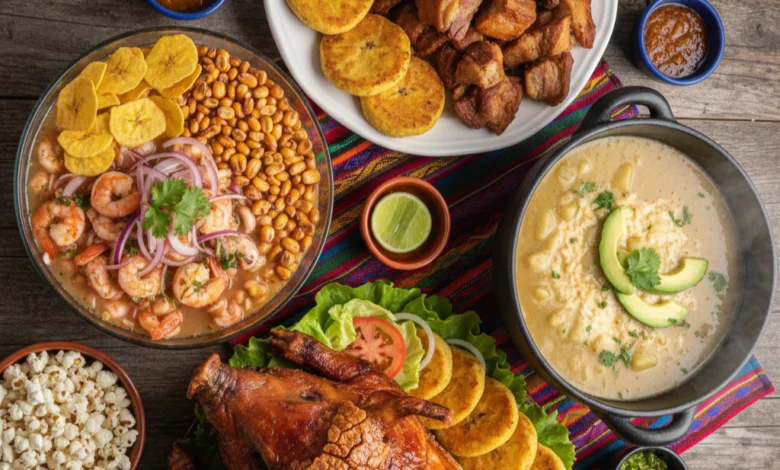
Traditional Ecuadorian food reflects the country’s geography. Along the Pacific coast, seafood and green plantain are everyday favorites. In the Andes, potatoes, corn, pork and hearty soups appear on many menus. In the Amazon, ingredients and cooking traditions vary by community and environment. There is no single dish that represents every region, so one of the best ways to understand Ecuador is to eat your way across it.
1. Encebollado: A Coastal Favorite
Encebollado is a hot fish soup commonly made with albacore tuna, yuca, pickled red onion and herbs. It is often served with chifles, bread or rice, depending on the establishment. Frequently eaten for breakfast or lunch, it is especially associated with Ecuador’s coast. Recipes vary, so the broth, seasoning and accompaniments can differ from one town to another.

2. Ceviche: Fresh Flavors with Regional Variations
Ecuadorian ceviche is made in several styles, using ingredients such as shrimp, fish, shellfish, citrus, onion, tomato and herbs. Coastal versions may be served with chifles, toasted corn or plantain. In Manabi, the Jipijapa style is known for the use of peanuts. Unlike some versions elsewhere in Latin America, Ecuadorian ceviche is often served with plenty of liquid or a tomato-based sauce. Ask how a restaurant prepares its seafood and choose places that handle it safely.

3. Bolon de Verde: A Plantain Classic
A bolon is a rounded portion of mashed green plantain, usually mixed with cheese, pork cracklings or both. It is commonly eaten for breakfast and may be served with coffee or eggs. The texture can range from soft to crisp on the outside, depending on how it is prepared. Because green plantain is such a central ingredient in coastal cooking, bolon is a useful introduction to the flavors of the region.

4. Encocado: Seafood in Coconut Sauce
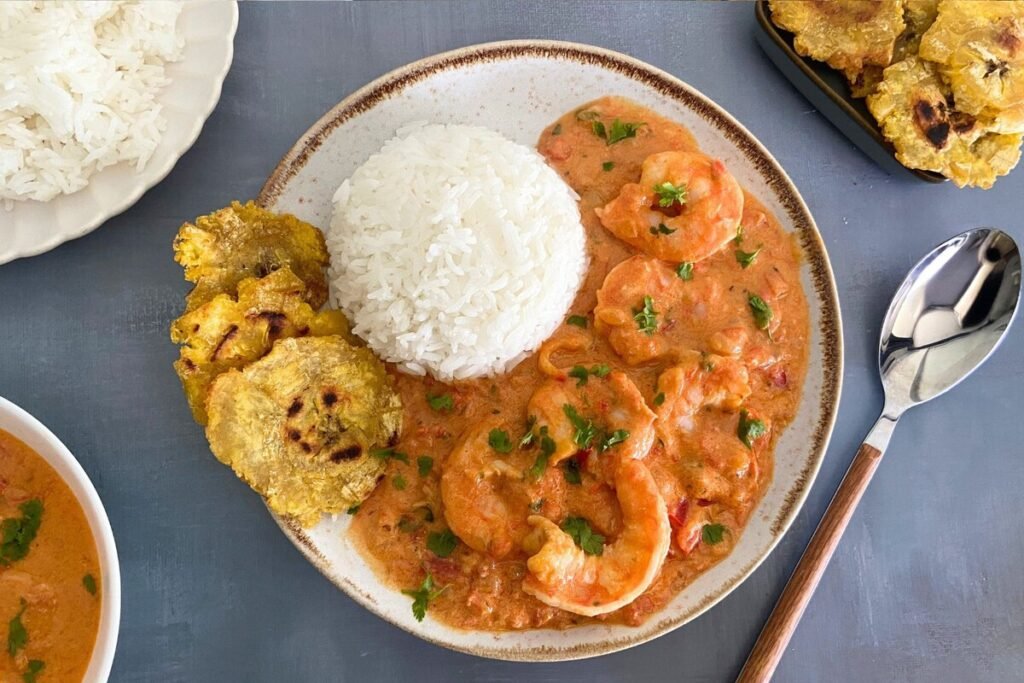
Encocado is associated particularly with coastal communities and is prepared with fish or other seafood cooked in a coconut-based sauce with herbs and seasonings. Recipes differ across the coast, and the dish is often served with rice and plantain. It offers a different flavor profile from citrus-forward ceviche or broth-based encebollado, showing how coastal cooking combines seafood with locally available ingredients.
5. Llapingachos: Potato Cakes from the Highlands
Llapingachos are potato patties, often filled with cheese and cooked on a griddle. They may be served with peanut sauce, avocado, chorizo, fried egg or salad. They are especially associated with the Andean region and make a satisfying meal or side dish. Regional and household recipes differ, so do not expect every plate to look exactly the same.

6. Hornado: Slow-Roasted Pork
Hornado is a well-known highland dish featuring pork roasted until the meat is tender and the skin can become crisp. It is often served with potatoes, mote, salad or other accompaniments. Markets and traditional eateries are common places to encounter it. Portions can be generous, making it a good option to share if you want to try several dishes during a trip.

7. Locro de Papa: Comfort in a Bowl
Locro de papa is a thick potato soup commonly associated with the Andes. Depending on the recipe, it may include cheese, milk, avocado and herbs. It is a warming choice in cooler highland weather and illustrates the importance of potatoes in Ecuadorian cuisine. Each restaurant may have its own texture and garnish.

8. Fanesca: A Seasonal Tradition
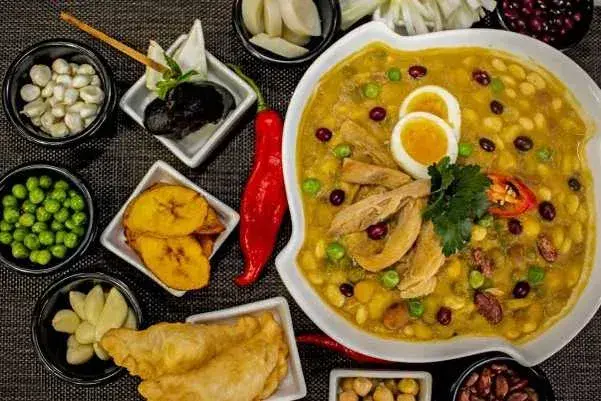
Fanesca is a rich soup traditionally prepared around Easter and Holy Week. Recipes often combine grains and beans with squash, milk and salted fish, with garnishes that vary by household and region. For many families, making and sharing fanesca is as important as eating it. Because it is seasonal and labor-intensive, it may be harder to find outside the period when it is traditionally served.
9. Tigrillo: A Breakfast from the Coast
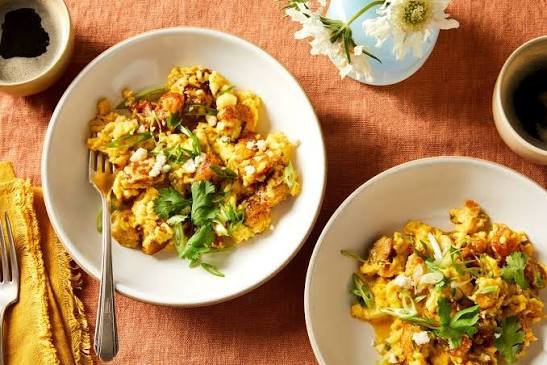
Tigrillo is made with mashed green plantain mixed with ingredients such as cheese and egg, and sometimes pork. It is associated with coastal breakfast traditions and is particularly familiar in parts of southern coastal Ecuador. It is filling and simple, with the plantain providing its distinctive texture.
10. Cacao and Ecuadorian Chocolate
Ecuador is internationally known for cacao, including fine-flavor varieties used by chocolate makers. Visitors can look for chocolate bars, drinking chocolate, cacao-based drinks and tours that explain fermentation and processing. When buying chocolate, read the label: cacao origin, percentage and production method all affect flavor. Visiting a producer or specialist shop can help connect the finished product with the farmers and landscapes behind it.

How to Eat Like a Local
Try markets and family-run restaurants as well as destination restaurants, but use basic food-safety judgment. Choose busy places with good turnover, make sure hot food is served hot, and ask about ingredients if you have allergies or dietary restrictions. If you do not know a dish, ask how it is prepared and what comes with it. Menus and recipes vary by region, and that variety is part of the experience.

Traditional Ecuadorian food is best understood as a collection of regional cuisines rather than a single national menu. Start with encebollado and ceviche on the coast, sample plantain dishes in Manabi, and look for potato-based soups and roasted meats in the Andes. Add seasonal dishes and Ecuadorian chocolate to your list, and you will discover how local ingredients and traditions shape everyday meals.

2 Comments