
Holidays in Ecuador are an important part of the country’s culture, history, and everyday life. During the year, Ecuadorians celebrate public holidays with family gatherings, religious traditions, local festivals, and trips to popular destinations. If you live in Ecuador or plan to visit, you should understand how these holidays work and why some dates are moved to create long weekends.
How Do Public Holidays Work in Ecuador?
Locals refer to holidays in Ecuador as feriados. They are official days of rest when many businesses, schools, government offices, and other institutions close or operate on different schedules.
People celebrate some holidays nationwide, while others celebrate holidays specific to a city or region. For example, national holidays commemorate important historical events, whereas local holidays often celebrate a city’s founding or independence.
In addition, public holidays can affect transportation, hotel prices, restaurant opening hours, and tourism. You should check the official holiday calendar before making travel plans.
What Is a Puente or Long Weekend?
One of the most useful things to understand about holidays in Ecuador is the concept of a puente, which literally means “bridge” in Spanish.
Public authorities create a puente festivo when they move a public holiday to Monday or Friday, giving people a longer break that extends the weekend. If a holiday falls on a Sunday, authorities may move the official day of rest to the following Monday.
These long weekends are especially popular for traveling, visiting family, going to the beach, and exploring different parts of the country.
The government does not move every holiday. Transfers depend on Ecuador’s holiday laws, and certain celebrations follow specific rules. The government may declare additional days off when required.
National and Local Holidays in Ecuador
We can divide public holidays in Ecuador into two main categories.
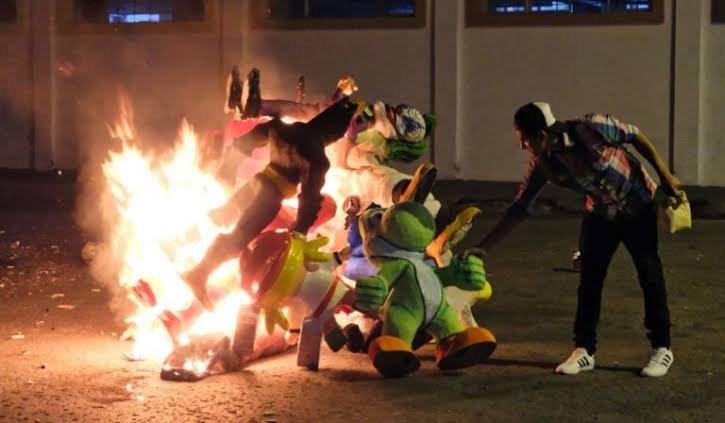
Communities nationwide hold national holidays to honor important historical, cultural, or religious occasions. Examples include New Year’s Day, Carnival, Good Friday, Labor Day, the First Cry of Independence, the Independence of Guayaquil, and Christmas.
Certain local holidays pertain to specific cities, provinces, or regions. They often commemorate a founding date, a local independence movement, or another important historical event. For example, Quito celebrates its founding in December, while Guayaquil celebrates its independence in October.
As a result, the number of days off may vary depending on where you live or work.
What Are the Most Important Holidays in Ecuador?
Several celebrations are particularly important in Ecuador:
- New Year’s Day: January 1, marking the beginning of the new year.
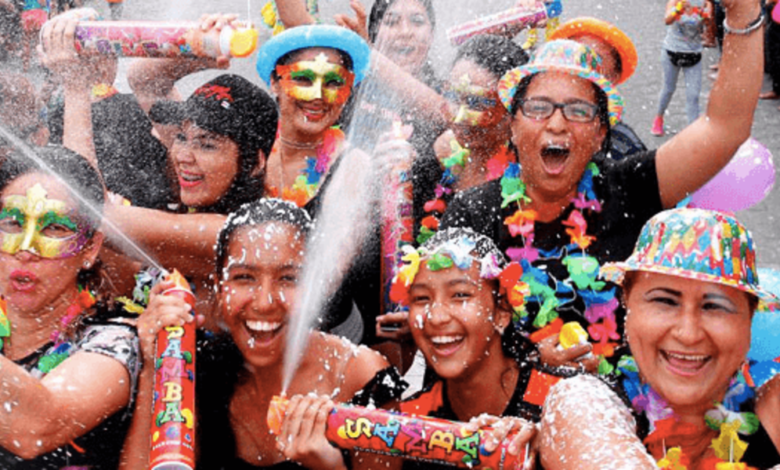
- Carnival: A festive period celebrated with water games, music, parades, and trips, usually in February or March.
- Good Friday: A Christian observance commemorating the crucifixion of Jesus Christ.
- Labor Day: May 1, recognizing workers and labor rights.
- Battle of Pichincha: May 24, commemorating a decisive battle in Ecuador’s independence.
- First Cry of Independence: August 10, marking the beginning of the independence movement in Quito in 1809.
- Independence of Guayaquil: October 9, commemorating the city’s independence in 1820.
- Day of the Dead: November 2, when families honor deceased loved ones, often by visiting cemeteries and sharing traditional foods such as colada morada and guaguas de pan.
- Independence of Cuenca: November 3, celebrating the city’s independence in 1820.
- Christmas: December 25, celebrated with religious traditions and family gatherings.
Officials may change the exact dates of some holidays on the official calendar when transfers are required.
Do public holidays in Ecuador count as paid days off?
Public holidays are generally established as mandatory days of rest under Ecuadorian labor legislation. However, some industries and essential services continue operating during holidays.
When employees are required to work on an official public holiday, special compensation rules may apply under labor law. The specific arrangements depend on the applicable regulations and employment circumstances.
It is also important to distinguish between non-recoverable holidays and exceptional days off that may be declared under special government measures. The conditions can differ, so employees and employers should check the relevant official announcement.
Do Businesses Close During Ecuadorian Holidays?
Not necessarily. Government offices, banks, schools, and many regular businesses may close, while hotels, restaurants, supermarkets, tourist attractions, and transportation services may remain open.
In popular destinations, business activity can even increase during long weekends. Beaches, hotels, restaurants, and tourist attractions often receive more visitors as people take advantage of the extra time off.
Nevertheless, opening hours and transportation schedules may change. For this reason, it is best to confirm arrangements in advance, especially when traveling between cities.
How to Plan Around Holidays in Ecuador
If you are visiting Ecuador or living in the country, planning around public holidays can make a significant difference.
First, check the official holiday calendar to confirm the dates and any transfers. Next, book accommodation and transportation early if you intend to travel during a long weekend. Finally, check whether local celebrations will affect traffic, business hours, or access to popular attractions.
Understanding how holidays in Ecuador work will help you plan more effectively, experience local traditions, and make the most of every long weekend.
